






Cardboard is one of the most common recyclable materials generated by supermarkets, warehouses, distribution centers, manufacturing facilities, and recycling companies. However, loose cardboard boxes and corrugated packaging can quickly occupy valuable floor space, create handling difficulties, and increase transportation expenses.
For businesses looking to improve cardboard recycling efficiency, a reliable cardboard baler machine can make a significant difference.
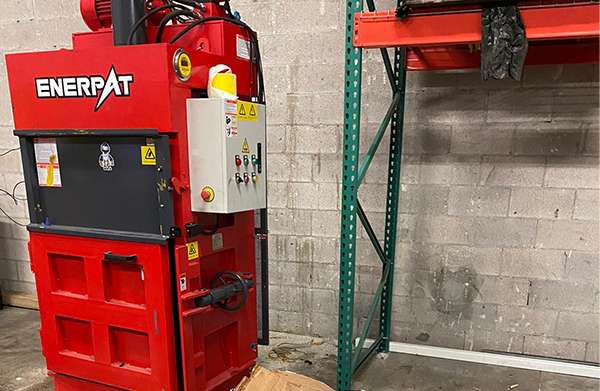
The ENERPAT VB-63S Hydraulic Vertical Baler is designed to compress cardboard, corrugated boxes, mixed paper, and other recyclable materials into compact, manageable bales. By reducing the volume of loose cardboard, this machine helps businesses improve storage efficiency, streamline material handling, and prepare recyclable materials for transportation or resale.
Discover how the ENERPAT VB-63S can support a more efficient cardboard recycling operation.
Cardboard packaging is lightweight, but its large volume can create significant operational problems when it accumulates.
Flattened or uncompressed cardboard boxes still occupy considerable space. Warehouses, retail stores, and distribution centers may need to dedicate valuable floor areas to temporary cardboard storage instead of productive activities.
Loose cardboard has a low bulk density, meaning trucks can fill up with material before reaching their available payload capacity. This can result in more frequent collections and higher transportation costs.
Without suitable recycling equipment, employees may need to collect, fold, stack, and move cardboard manually. These repetitive tasks consume time and can interfere with normal warehouse operations.
Recycling companies need to collect, sort, store, and transport cardboard efficiently. Loose materials are harder to organize and handle than compact, securely tied bales.
A hydraulic cardboard baler addresses these challenges by transforming bulky cardboard waste into compact bales that are easier to store, move, and transport.
The ENERPAT VB-63S Hydraulic Vertical Baler is a heavy-duty recycling machine designed for compressing a variety of recyclable materials, including old corrugated containers (OCC), cardboard boxes, mixed paper, and paper offcuts.
Its vertical compression design makes it a practical option for businesses that want to manage cardboard waste without installing a large horizontal baling system.
Model: ENERPAT VB-63S
Machine type: Hydraulic vertical baler
Feed opening width: 60 inches (1,524 mm)
Feed opening height: 25 inches (635 mm)
Bale dimensions: 60 × 30 × 48 inches (1,524 × 762 × 1,219 mm)
Hydraulic system pressure: 2,000 psi standard, up to 2,200 psi maximum
Motor power: 10 hp (7.46 kW)
The wide feed opening accommodates many common cardboard boxes and packaging materials, while the hydraulic system supplies the compression force needed to form compact bales.
Actual bale weight and production output depend on cardboard type, moisture content, loading method, and operating conditions. For an accurate assessment, businesses should discuss their material and throughput requirements with ENERPAT.
The benefits of cardboard baling extend beyond simply reducing waste volume.
The VB-63S uses hydraulic pressure to compress loose cardboard into a more compact form. Instead of leaving empty spaces between bulky boxes, operators can consolidate cardboard into organized bales.
This helps businesses make better use of their available storage space and maintain cleaner working areas.
Once the cardboard has been compressed and securely tied, the resulting bales are easier to stack, move, and prepare for shipment.
For recycling facilities and waste collection businesses, improved material organization can simplify loading operations and make transportation planning more efficient.
Many cardboard recyclers purchase or collect OCC and other recovered paper grades for further processing. Compact bales can make materials easier to handle and prepare for delivery to downstream recycling facilities.
Where buyers specify bale dimensions, weight, and quality requirements, businesses can select appropriate baling settings and operating procedures to help meet those requirements.
A dedicated cardboard baler provides a designated way to manage packaging waste. Rather than allowing boxes to accumulate around loading docks, production lines, or warehouse aisles, employees can process cardboard as part of their regular waste-handling routine.
The result is a more organized recycling area and a more structured material recovery process.
The ENERPAT VB-63S is suitable for a variety of common paper and cardboard recycling applications.
Corrugated Cardboard Boxes
Old corrugated containers are generated by supermarkets, e-commerce fulfillment centers, logistics companies, and retail businesses. The VB-63S can compress suitable corrugated boxes into compact bales.
Packaging Cartons
Businesses that receive or ship packaged products often generate large quantities of cardboard cartons. Baling helps consolidate these materials before collection or recycling.
Mixed Cardboard and Paper
Some commercial operations produce a combination of cardboard, paperboard, and other recyclable paper grades. The VB-63S can process suitable mixed paper materials, subject to the requirements of the recycling operation.
Cardboard Production Offcuts
Packaging manufacturers and printing businesses may generate cardboard trimmings and paper offcuts during production. Compressing these materials helps improve waste collection and storage efficiency.
For the best results, cardboard should be reasonably clean and free from excessive moisture or incompatible contaminants. Material testing is recommended when processing unusual cardboard grades or mixed waste streams.
The ENERPAT VB-63S is particularly relevant to businesses that generate regular volumes of recyclable cardboard but need a space-conscious baling solution.
Shipping and receiving activities generate cardboard boxes every day. A vertical baler helps consolidate packaging waste close to the point where it is collected.
Retail businesses regularly dispose of corrugated cartons used to deliver food, household goods, and consumer products. Baling provides a more organized alternative to storing loose boxes.
Online retail operations handle large numbers of shipping cartons. A cardboard baler helps manage packaging waste generated by unpacking incoming stock and handling returned goods.
Manufacturers and packaging companies can use vertical balers to process cardboard offcuts, rejected packaging, and other suitable recyclable materials.
Independent recycling operators and waste management companies can use vertical baling equipment to consolidate collected cardboard before storage, resale, or transportation.
For facilities processing very large volumes continuously, an automatic horizontal cardboard baler may be more appropriate. The right machine depends on daily material volume, available space, labor resources, and required bale specifications.
Choosing a cardboard baler involves more than comparing machine prices. Businesses should also consider operating requirements, safety, maintenance, and long-term productivity.
The VB-63S offers several practical features for recyclable material handling.
Heavy-Duty Hydraulic Compression
The hydraulic system delivers controlled compression force to consolidate cardboard and other suitable lightweight recyclables.
Large Feed Opening
The 60-inch-wide feed opening helps operators load a range of cardboard packaging materials without requiring every box to be reduced to very small pieces beforehand. Material dimensions must still fit the opening.
Compact Vertical Configuration
The vertical design can be suitable for facilities where floor space is limited and cardboard needs to be processed near the collection point.
Integrated Safety Features
The machine incorporates safety interlocks and protective operating arrangements designed to help prevent unsafe access during compression. Operators should follow the supplied instructions and applicable workplace safety procedures.
Multiple Recycling Applications
In addition to cardboard and OCC, the VB-63S can process other suitable materials, including mixed paper, certain plastic packaging, textiles, and fibers. Businesses handling multiple waste streams should confirm material compatibility and avoid mixing materials when separate recycling grades are required.
Before investing in a cardboard baler machine, consider the following questions.
1. How much cardboard do you generate each day?
Estimate the amount of cardboard produced per shift or per day. Occasional cardboard disposal may require a different solution from a high-volume recycling operation.
2. What types of cardboard do you handle?
Corrugated boxes, flat cardboard sheets, paperboard offcuts, and mixed paper can behave differently during compression. The material composition and condition influence the final bale.
3. How much floor space is available?
Measure the proposed installation area, including room for feeding material, operating doors, removing finished bales, and maintaining the machine safely.
4. What bale size and weight do your buyers require?
If you sell recovered cardboard, ask your downstream buyers about acceptable bale dimensions, weight, density, and tying requirements before selecting equipment.
5. Do you need vertical or horizontal baling?
A vertical cardboard baler is often a practical choice for moderate material volumes and space-conscious operations. A horizontal or automatic baler may be more suitable for facilities with high daily throughput and continuous feeding requirements.
By evaluating these factors, businesses can select a machine that fits their actual recycling needs rather than paying for unnecessary capacity or choosing equipment that cannot keep up with demand.
Cardboard recycling begins with effective material handling. When loose boxes and packaging waste accumulate, storage space becomes harder to manage, employees spend more time moving materials, and transportation becomes less efficient.
A suitable hydraulic cardboard baler helps address these challenges by compressing cardboard into compact, manageable bales.
The ENERPAT VB-63S Hydraulic Vertical Baler combines a wide feed opening, hydraulic compression, and a space-conscious vertical design to support cardboard recycling in warehouses, retail businesses, distribution centers, manufacturing plants, and recycling facilities.
Whether you are handling old corrugated containers, packaging cartons, or cardboard production offcuts, choosing the right baling equipment can help create a cleaner, more organized, and more efficient recycling operation.
ENERPAT can help you evaluate your cardboard recycling requirements and identify a suitable baling solution.
From Factory Testing to On-Site Installation: ENERPAT’s Commitment Goes Beyond Equipment D
READ FULLLos Angeles, California: ENERPAT Hopper-Style Automatic Metal Baler – Three Things Every B
READ FULLLocation: Las Vegas, Nevada, USAEquipment: ENERPAT Automa
READ FULL

Have a question or need a quote? Fill out this form and our team will get back to you quickly!